


The Science Week theme this year was ‘Seeds of Science: Nurturing Science For All’. This theme aligns with the 2026 UN International Year of Women Farmers, which highlights the significant contributions of women to agriculture and draws attention to the challenges they continue to face.
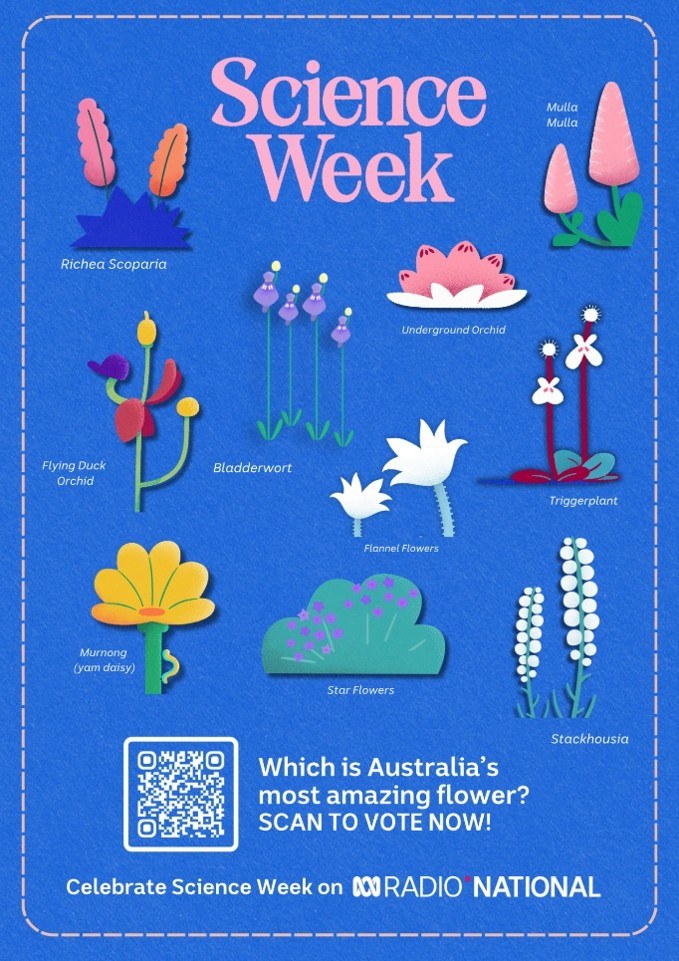
During the lead up to Science Week the ABC launched a nationwide search for Australia's most amazing wildflower. Native wildflowers nurture biodiversity, keep the soil healthy and play a crucial role in the lives of many of our indigenous species. The winning wildflower with 16,567 votes was announced on Friday 21 August as the Flannel Flower (Actinotus). We also recorded our own wildflower voting here at the College and the final results were:
#1: The Flying Duck Orchid (Caleana) & the Flannel Flower (Actinotus)
#2: The Underground Orchid (Rhizanthella)
#3: The Star Flower (Calytrix)
#4: The Mulla Mulla (Ptilotus)
#5: The Creamy Candle (Stackhousia Monogyna) & the Murnong or Yam Daisy (Microseris)
#6: The Blue Bladderwort (Utricularia Caerulea) & the Triggerplant (Stylidium)
#7: The Richea Scoparia (Richea Scoparia)
The Science Week celebrations at our College officially started on Monday 17 August with a theme related Morning Quiz. Pastoral classes embraced the challenge and the first three to complete the answers accurately were Senior Carmel 3, Year 9F, Year 7D. Also deserving recognition are Senior Loreto 3 and Year 9H. During lunchtime on this day our beautiful tradition of Science Window Celebrations continued. Students visited the ground floor of the Centenary Building and immortalised this year’s theme with art on the glass panels.

Tuesday was the day of fun flower pressing. Students who attended this activity carefully arranged their flowers to create magical works of art. Extreme patience was required here as these pieces were not ready to be revealed until a few days had passed. The following accounts were written by two of our students who attended this event:
Science week was so fun. In the flower pressing, we chose different types of flowers and pressed them down to make them look pretty in a frame. I found it interesting how only the camellias turned brown and soggy, but the rest stayed perfectly fine. I most enjoyed seeing the big reveal a couple days later - it was very exciting. I also enjoyed placing the flowers in specific spots where I thought they would look nice. Overall, it was a really fun and intriguing experience.
Alice M (7A)
I felt as though the flower pressing was a perfect way of appreciating nature’s beauty, being able to see as we placed each flower to our preference on our blank canvas. I found that through the process of flower pressing, we were truly able to absorb the fine details on each and every petal, and how nature has a canvas with a painting through every piece.
Alexis K (10L3)

Thursday’s lunchtime activity involved contributing to securing our future biodiversity and growing our very own baby native plant. These included Mulla Mullas, Everlasting Daisies, Purple Flags and Billy Buttons. The knowledge and skills we learnt during this activity gave us the confidence to continue this practice on our own.

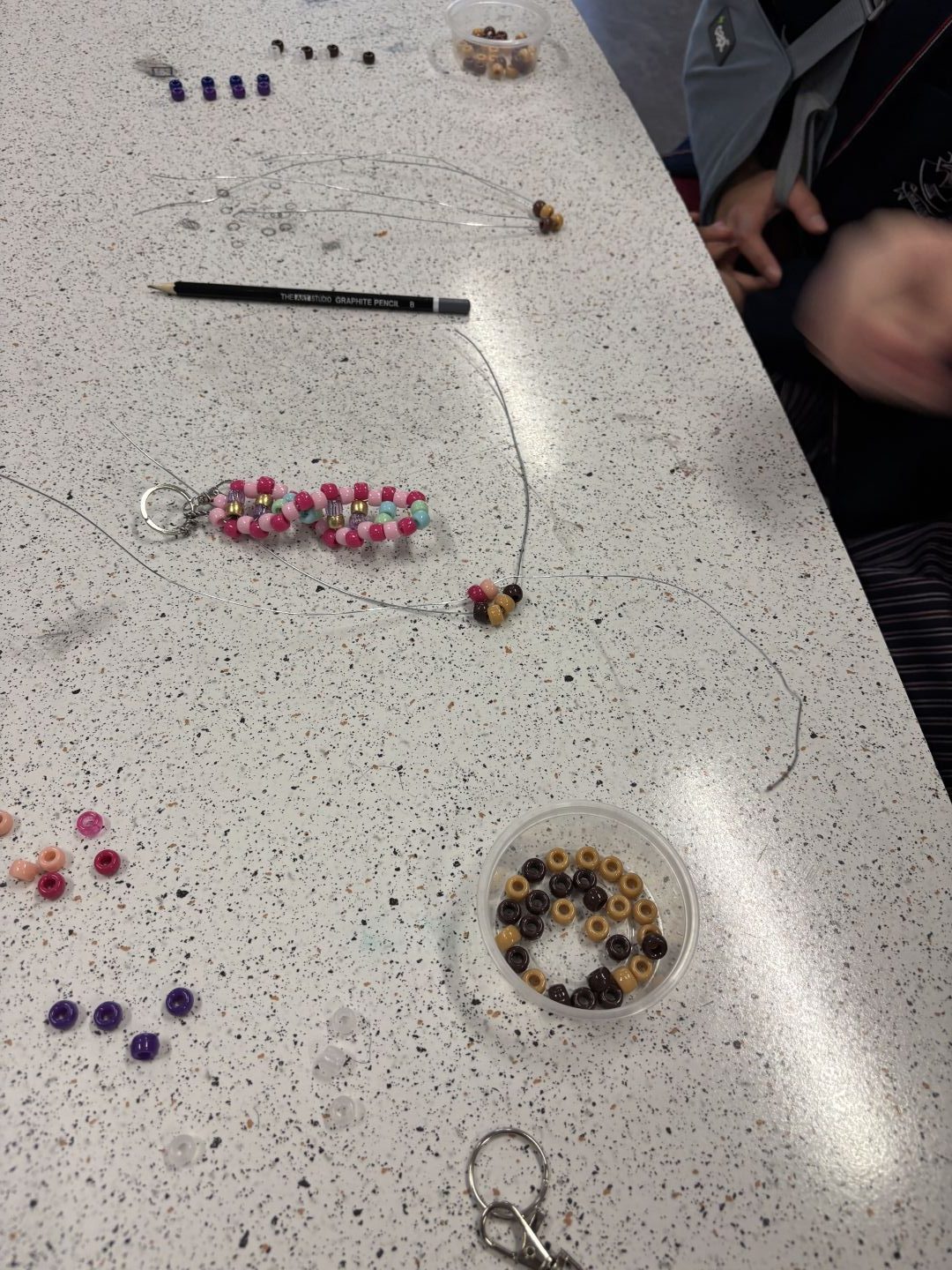
The instructions seeds use to grow into a plant are contained in their DNA. During our Friday lunchtime activity, we made our very own eye-catching DNA key chain. The following reflections are from students who attended the activity:
As part of National Science Week 2026 based on this year's theme 'Seeds of Science', students across all year levels were invited to participate in a fun and engaging DNA Keychain making session at lunchtime. This year's theme goes hand in hand with the idea of DNA in seeds and was fun to create a decorative keychain to represent this. Students got the opportunity to learn more about Science, such as learning what base pairs and the sugar-phosphate backbone is in DNA through this creative way. Making this DNA keychain turned abstract textbook learning into a hands-on activity and I am sure many students, including myself, were proud of our creations and found this a very engaging experience. It was not only an experience that can be used for future learning, but students can take home this real-life model to be proud of.
Allegra J (7F)
I really enjoyed the DNA keychain making activity. It was a great way to spend a lunchtime and to learn a little bit about what DNA actually is. What I enjoyed the most about this activity was being able to get creative and make something new.
Clara H (7F)
This experience has been one I will remember as it helped me build stronger bonds with my friends and it was a fun activity we could join in with.
Sofia S (7C)
Although National Science Week officially concluded on Sunday 23 August our celebrations at OLMC continued until the following Wednesday with a Live Science Show - Inspire Your Science. This science show featured a variety of exciting and memorable demonstrations, including methane and dry ice bubbles, the whoosh bottle experiment, transforming water into creamy soda and apple juice, elephant’s toothpaste, and completing an electrical circuit using energy sticks and salt water. The following is an account from a student who participated in the activity:
What I enjoyed about the science show was the elephant’s toothpaste. I also found interesting the experiment where water was poured into the different glasses and they changed colours.
Adele B (7F)
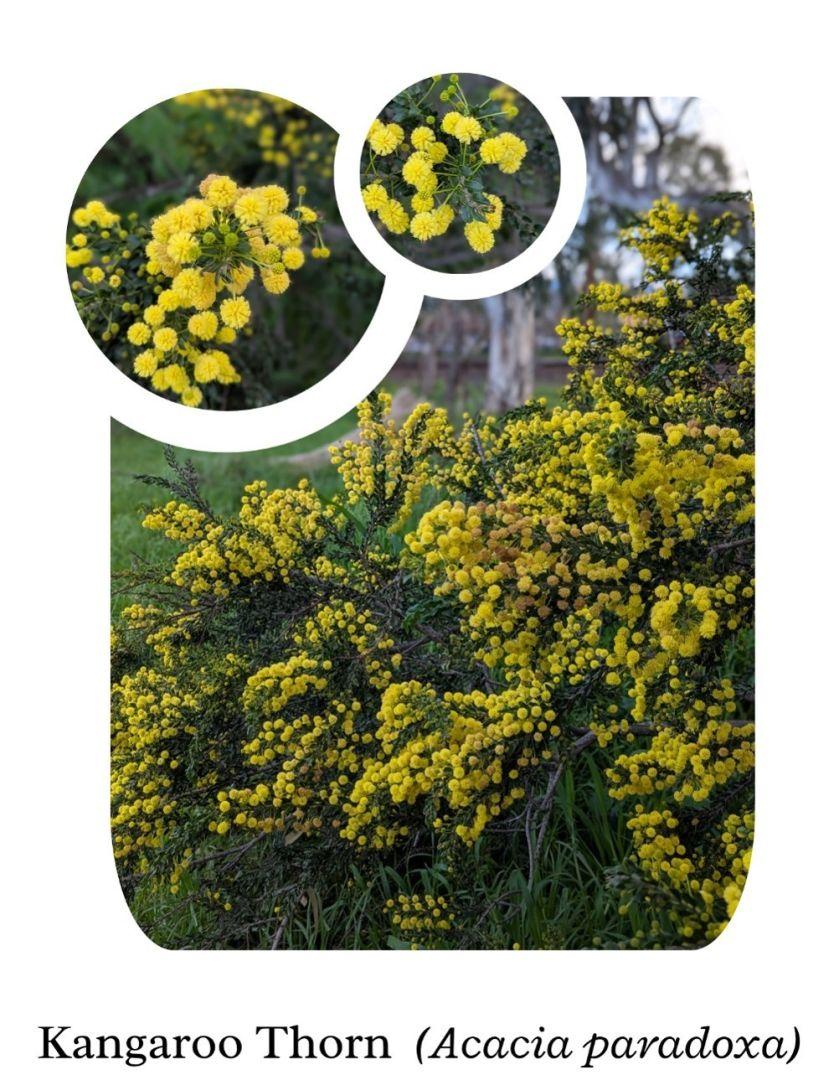
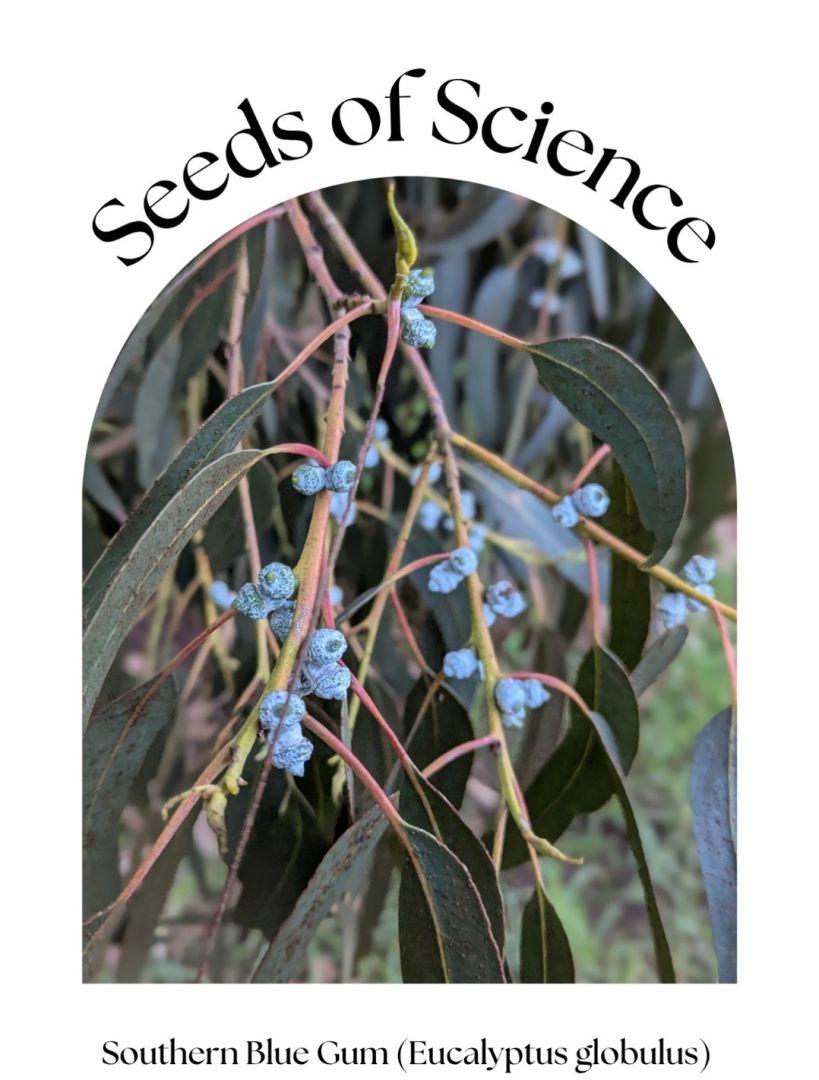
Students were also able to enter our Seeds of Science Photo Competition. Our two winning entries were from Sienna P (8B) and Amy P (8B). The following accounts explain how they were able to capture these magnificent images:
I chose to photograph this wattle plant because I was drawn to its bright yellow flowers and the way they stood out against the surrounding greenery. The plant was located in Rosanna Parklands. I wanted to capture the natural beauty of the wattle and show the small details that can easily be overlooked. The secret behind making the photo look amazing was finding a good angle and making sure the lighting highlighted the yellow flowers, and I also took lots of photos. I also focused carefully on the plant and took some close-up shots so that it stood out clearly from the background.
Sienna P (8B)
I chose to photograph the Southern Blue Gum because I liked the small details of the gumnuts and leaves rather than just taking a photo of the whole tree. The plant was located on my street, where I noticed the gumnuts standing out among the leaves. I wanted to capture the natural patterns, shapes and textures up close. To make the photo interesting, I focused closely on the gumnuts and leaves and used the natural lighting to bring out their details. I think the close-up perspective helped make the photo look more unique and eye-catching.
Amy P (8B)
We would like to thank our amazing and resourceful laboratory technicians, Dr Nathan Nicholas and Ms Catherine Borstelj for all their work behind the scenes. They were able to source all the required materials and equipment, as well as trial all the activities to ensure they all worked seamlessly. We would like to thank all our science teachers who were involved in the planning and implementation of the activities. Special thanks to the members of the Science Week Planning Committee who consisted of a group of dedicated volunteers from Year 7 to Year 12. This committee met regularly during lunchtimes prior to Science Week to discuss and decide on the activities that were to take place this year.
Looking forward to continuing to celebrate and embrace science throughout the year.
Assimina Semertjis
Science Learning Leader


